Empowering Minority Communities in Kaluwankerny and Thiraimadu, Batticaloa District
Batticaloa District
The Centre for Social Reconciliation (CSR) of Eastern University, Sri Lanka, initiated a community-based project titled “Empowering Minority Communities in Kaluwankerny and Thiraimadu, Batticaloa District.” The project was funded by the Office for National Unity and Reconciliation (ONUR) and aimed at promoting social reconciliation while strengthening the socio-economic well-being of marginalized communities.
Project Framework
The project was originally designed as a five-phase intervention strategy, structured sequentially to ensure evidence-based and community-responsive implementation. The framework sought to address critical issues such as:
- Poverty and limited livelihood opportunities
- Illegal liquor brewing and substance abuse
- Early marriage
- High rates of family separation
- Limited access to essential services
The approach emphasized holistic, culturally sensitive, and sustainable interventions tailored to community-specific needs.
ONUR approved funding for the first two phases:
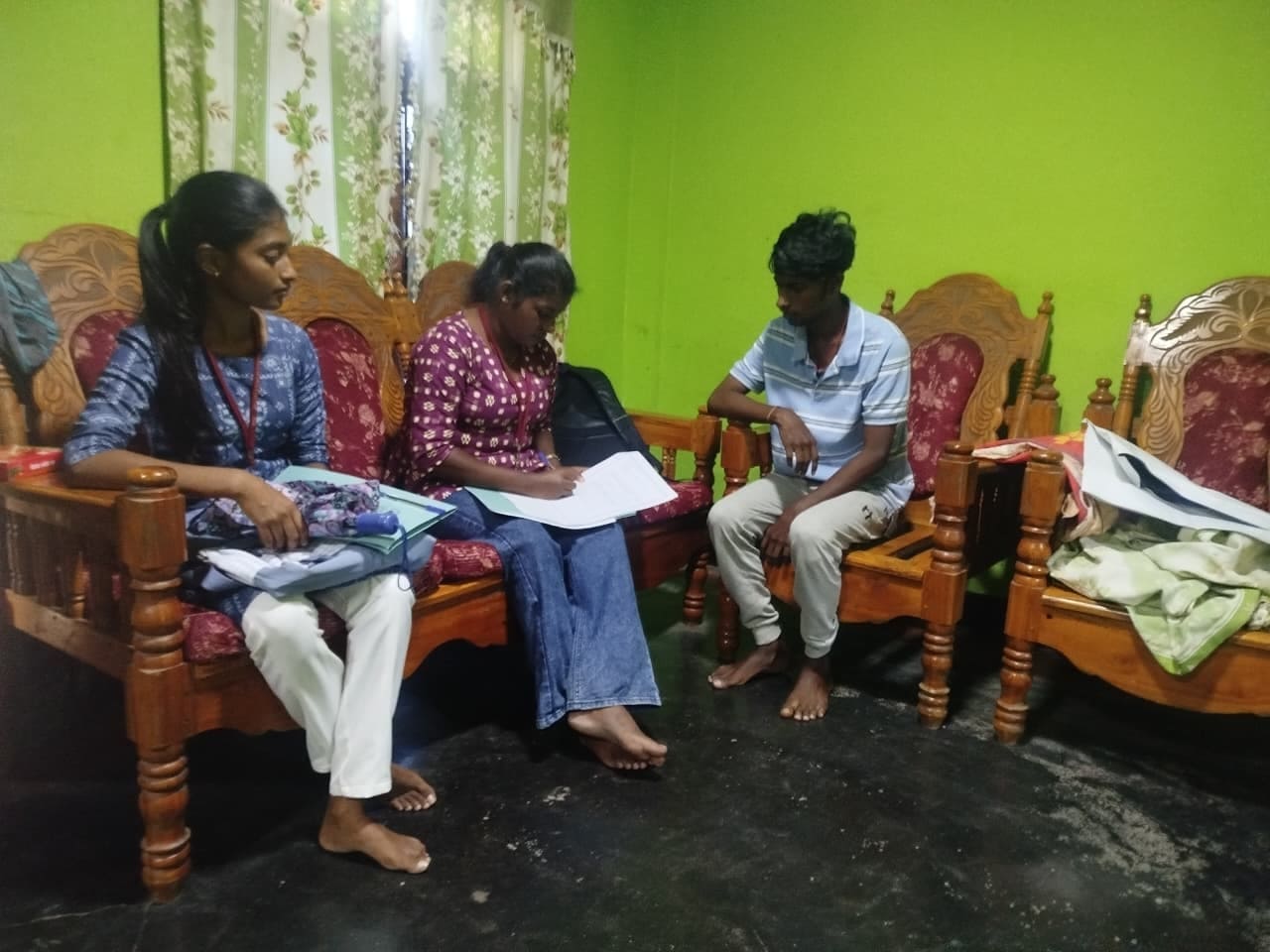
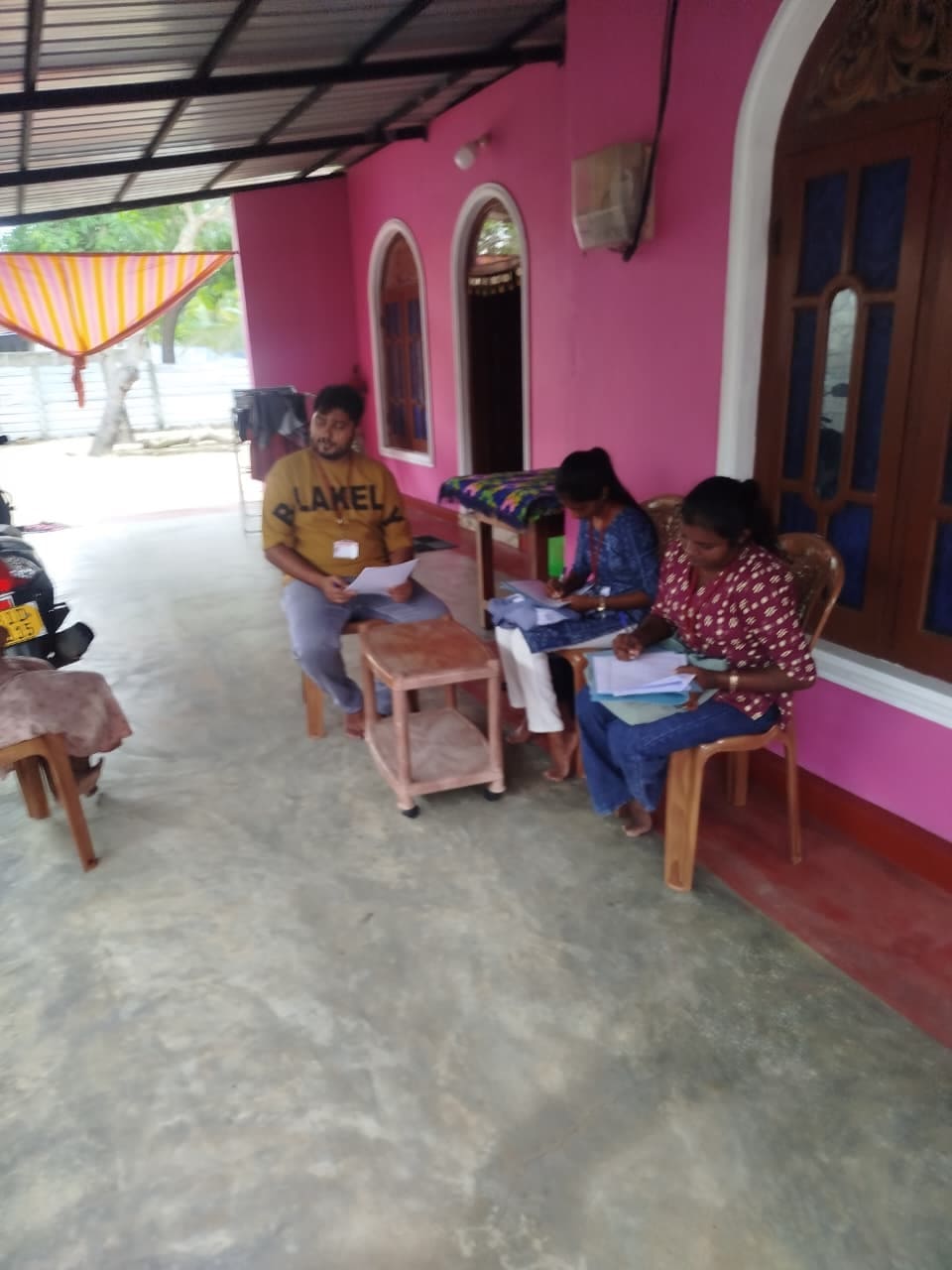
Phase I – Baseline Survey
- Phase II – Mobile Clinic
Phase I – Baseline Survey (Completed)
Phase I was successfully implemented in the selected project areas. The Baseline Survey aimed to:
- Assess socio-economic and health conditions of the target communities
- Identify priority needs and structural vulnerabilities
- Generate reliable data to guide subsequent interventions
The survey examined the socio-economic realities, community relations, and reconciliation-related needs of the Burgher and Vedda minority communities in the Batticaloa District. While these communities maintain distinct cultural identities, findings revealed structural vulnerabilities, limited economic opportunities, and marginalization within local development processes.
The survey underscored the importance of:
Targeted livelihood development
- Youth empowerment initiatives
- Community engagement mechanisms
- Culturally sensitive reconciliation interventions
The findings now serve as an evidence-based foundation for designing sustainable and context-specific programmes aimed at promoting social cohesion and equitable development.
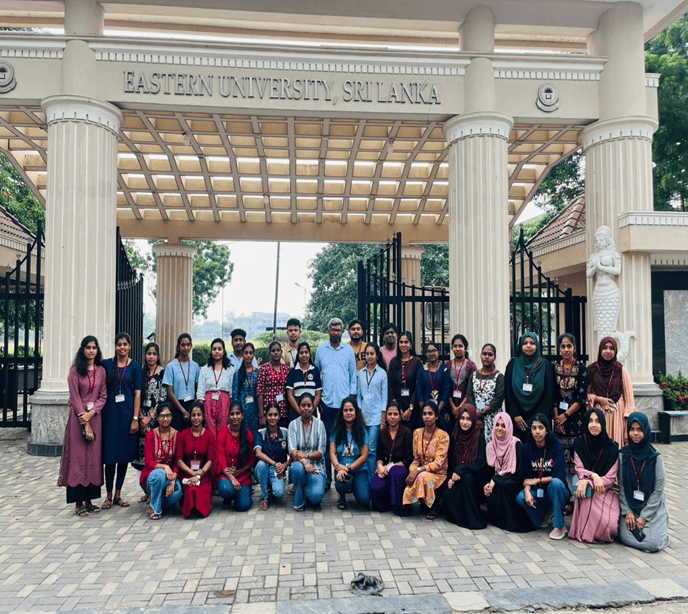
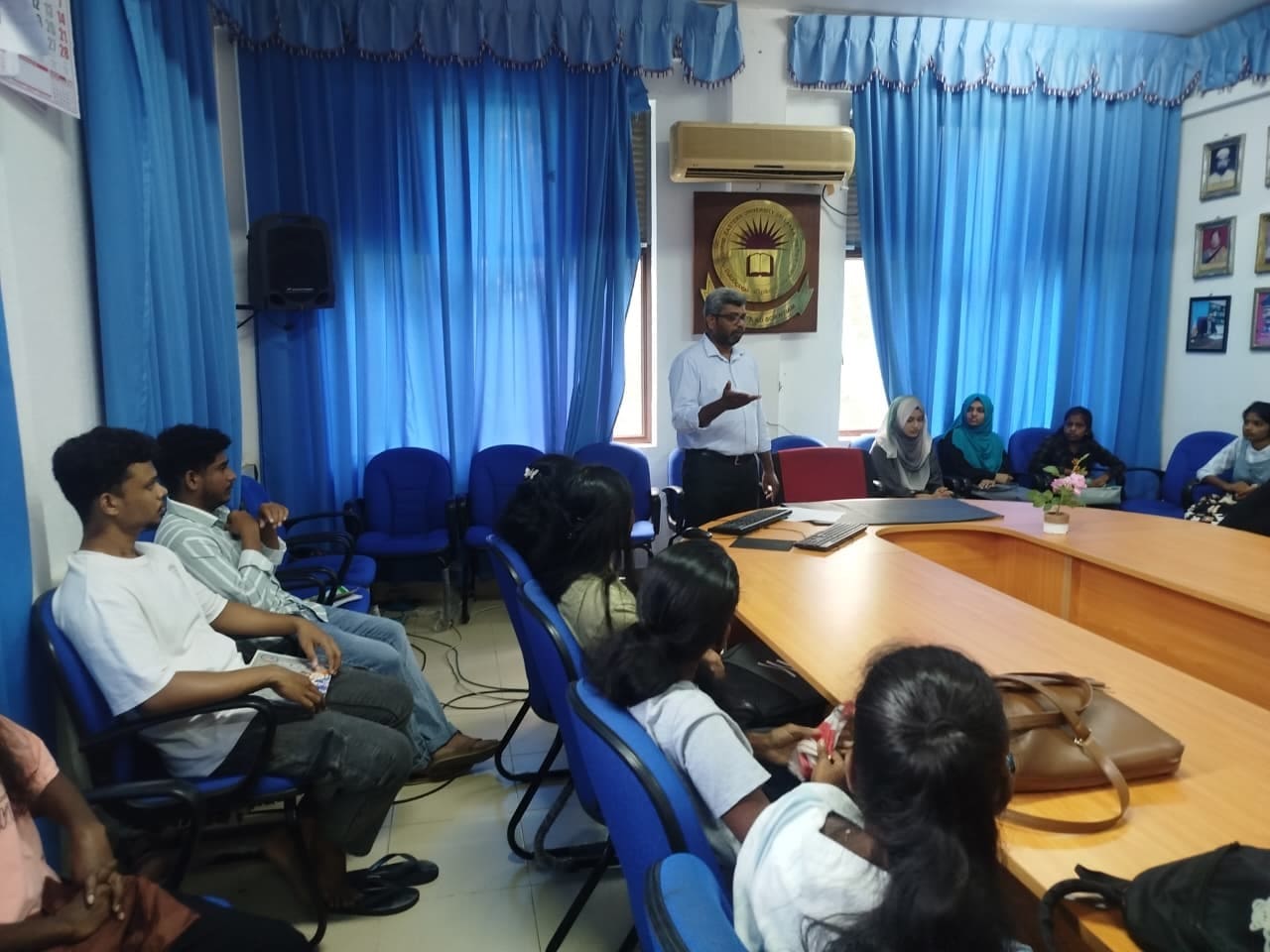
Field Instructions
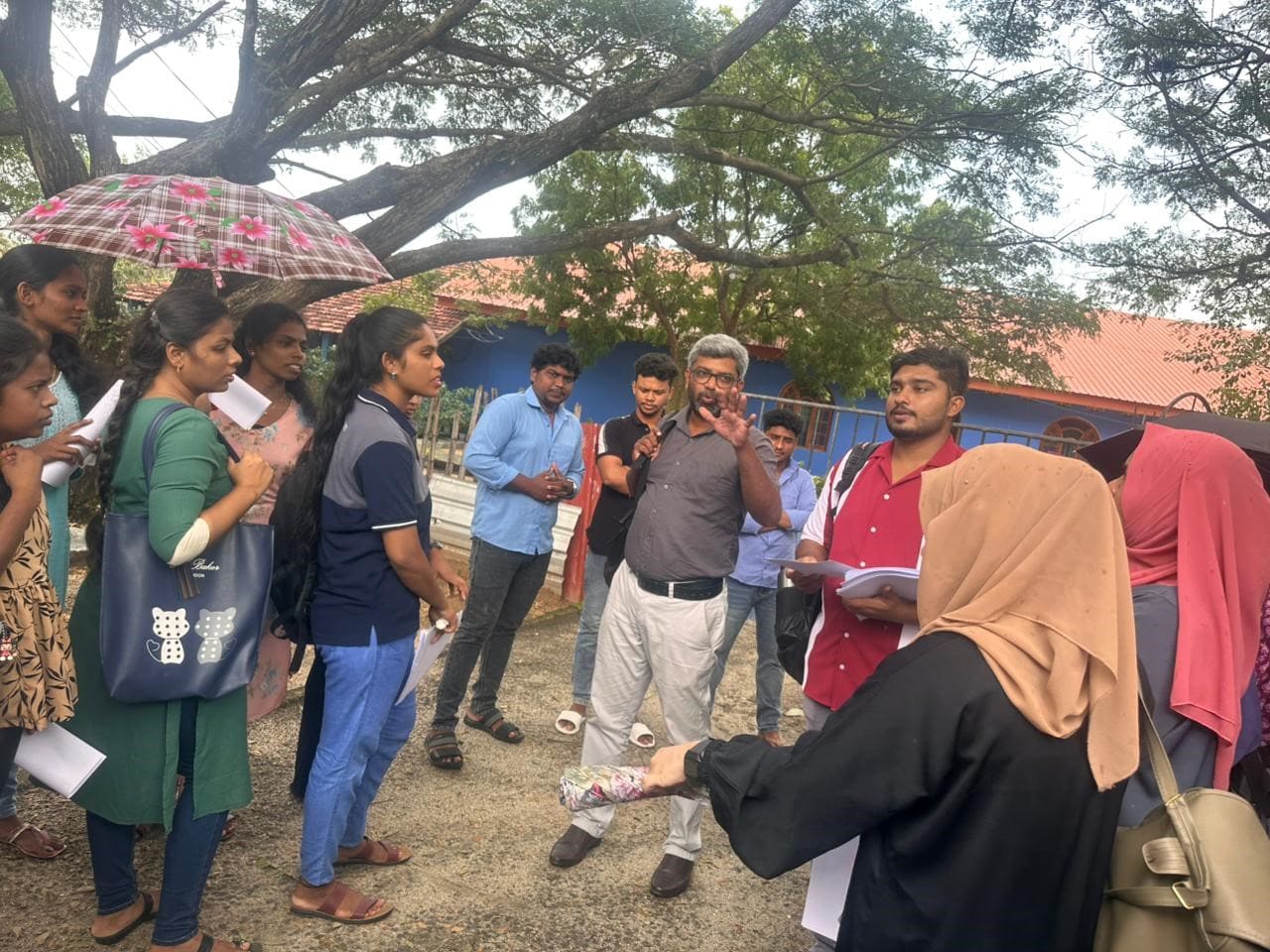
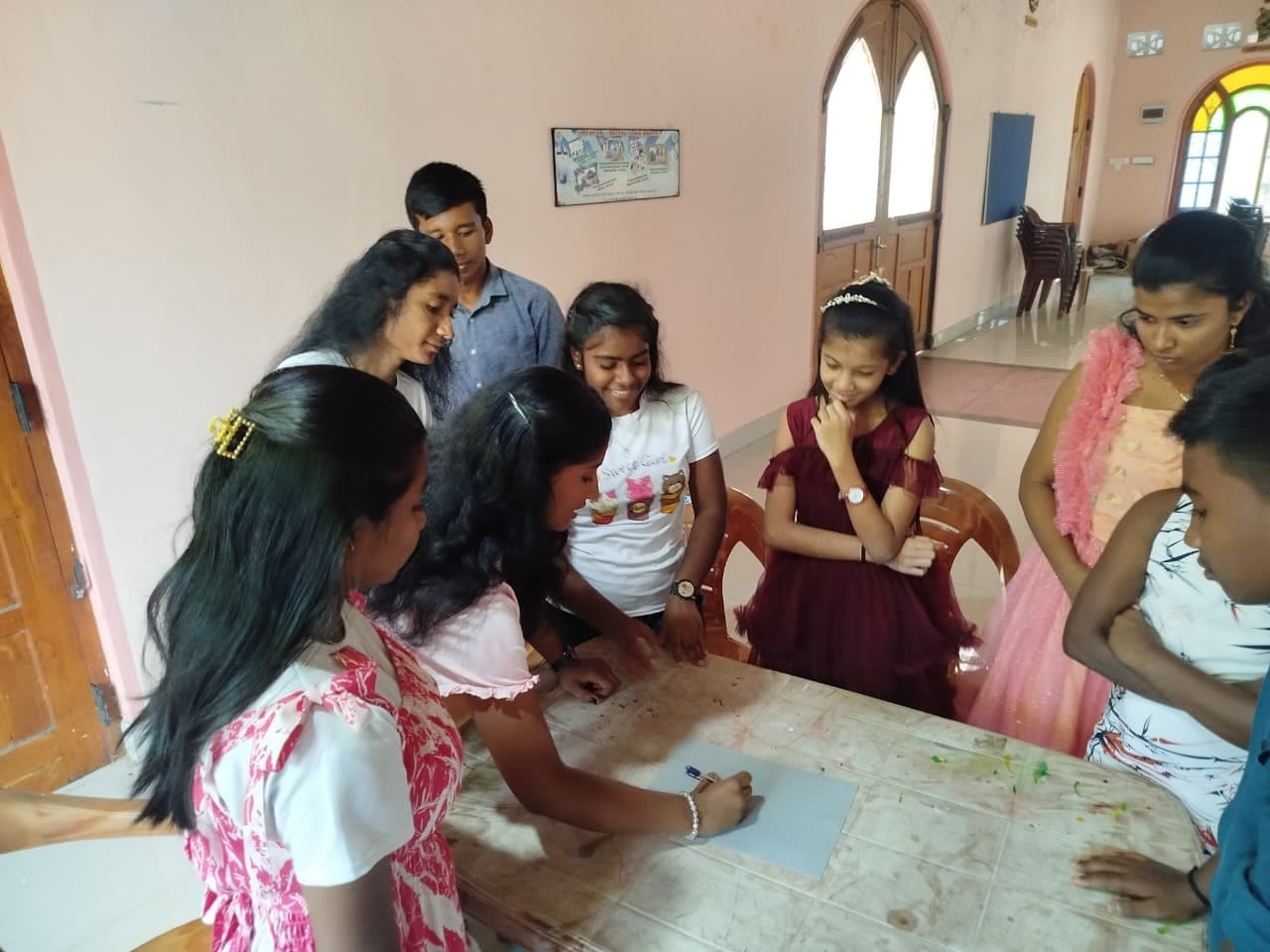
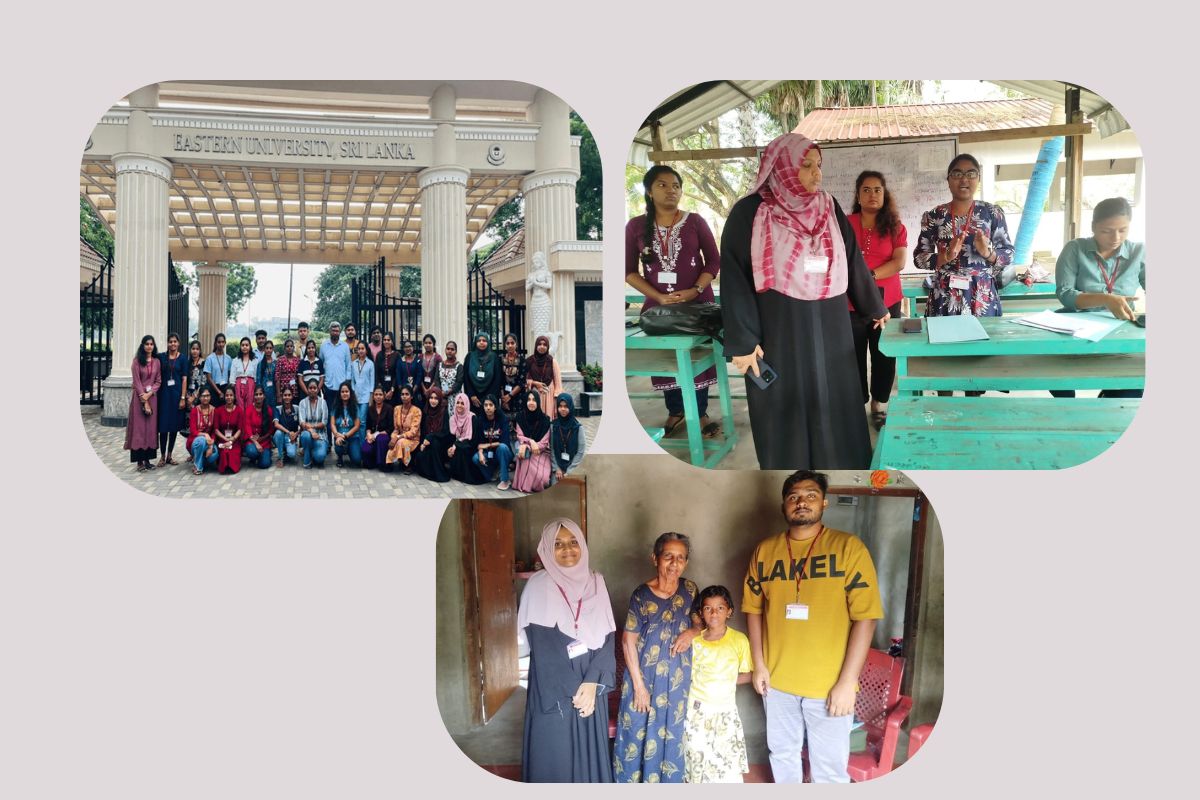
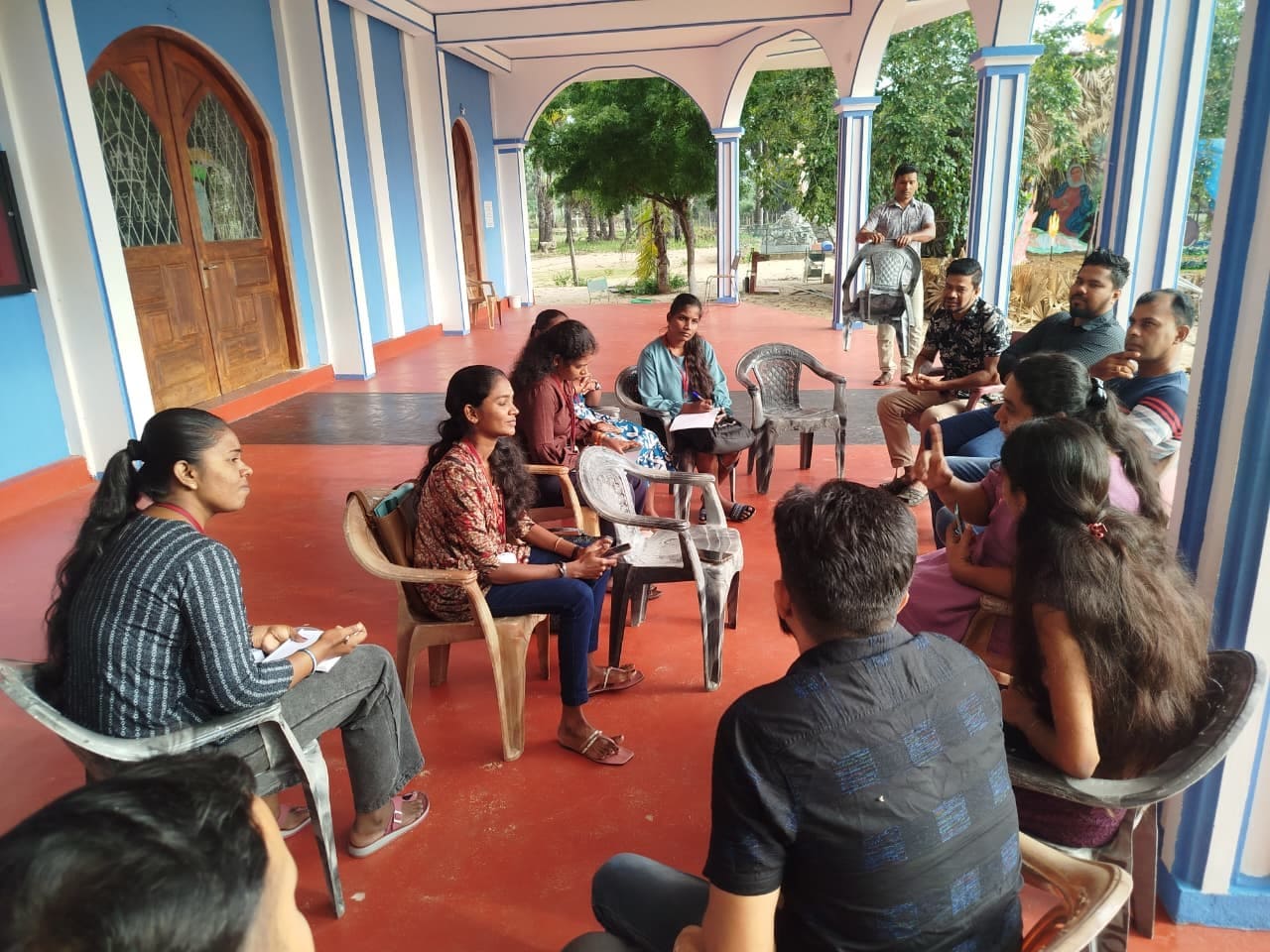
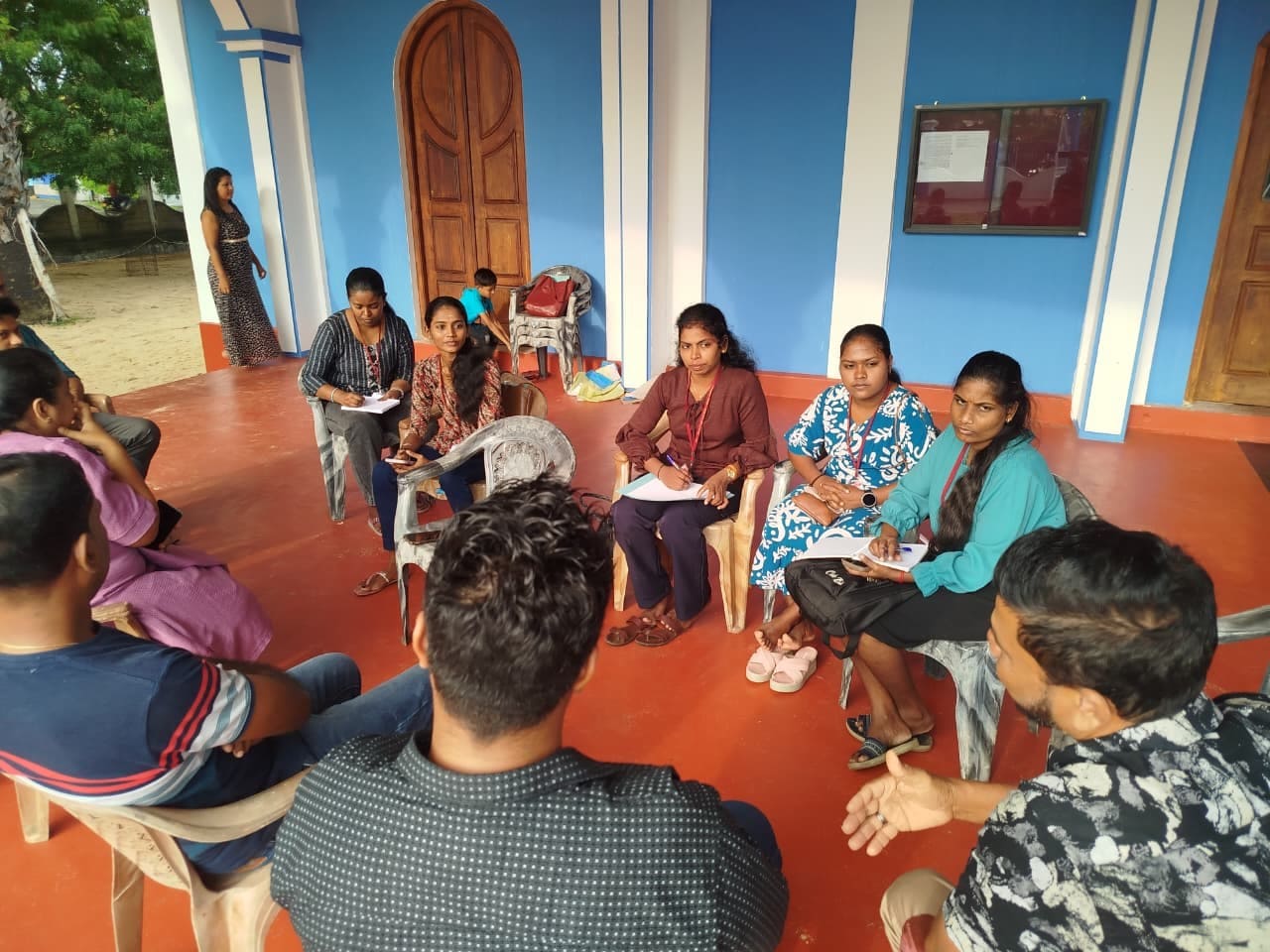
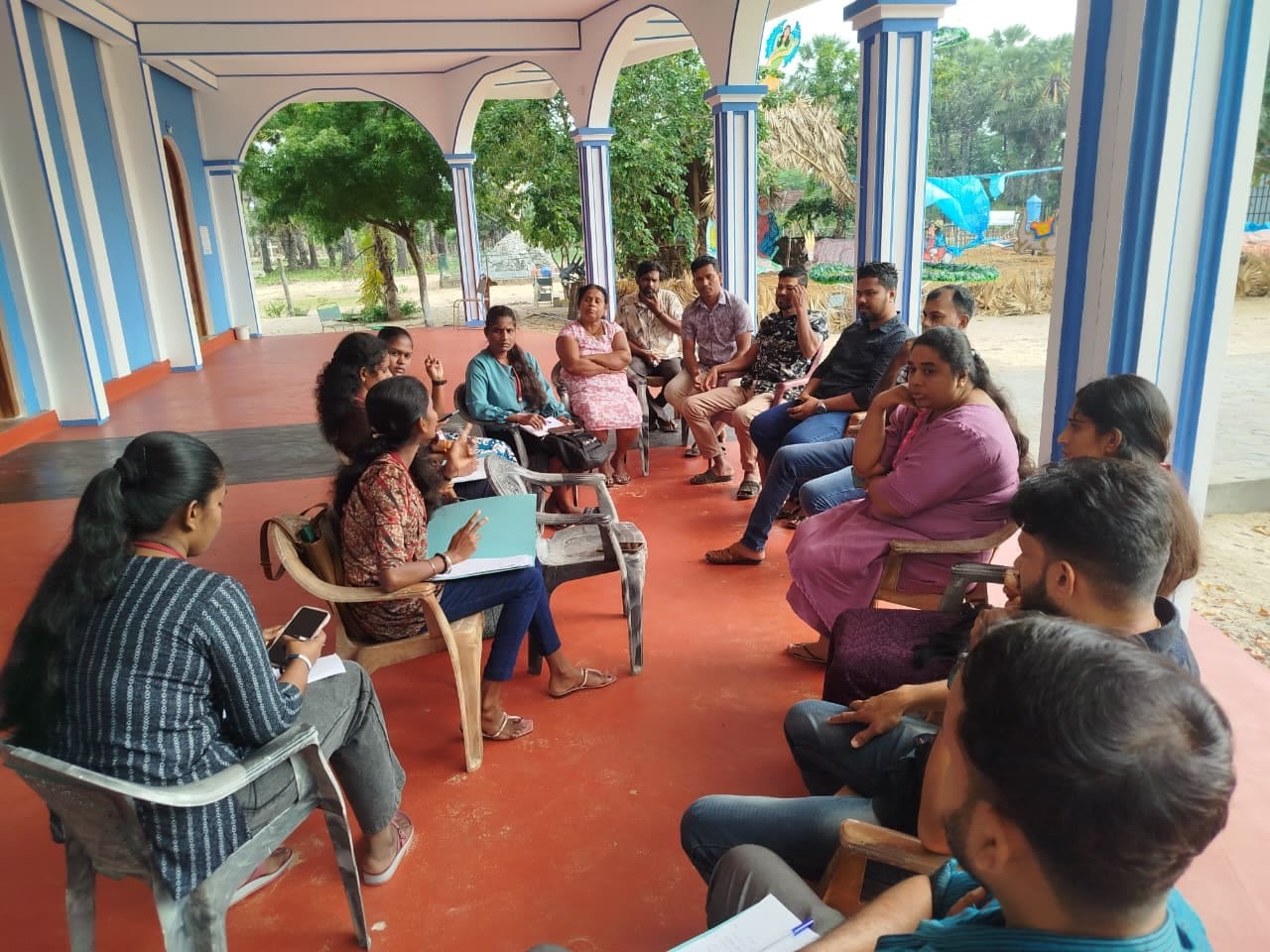
Focus Group Discussions with Community Members
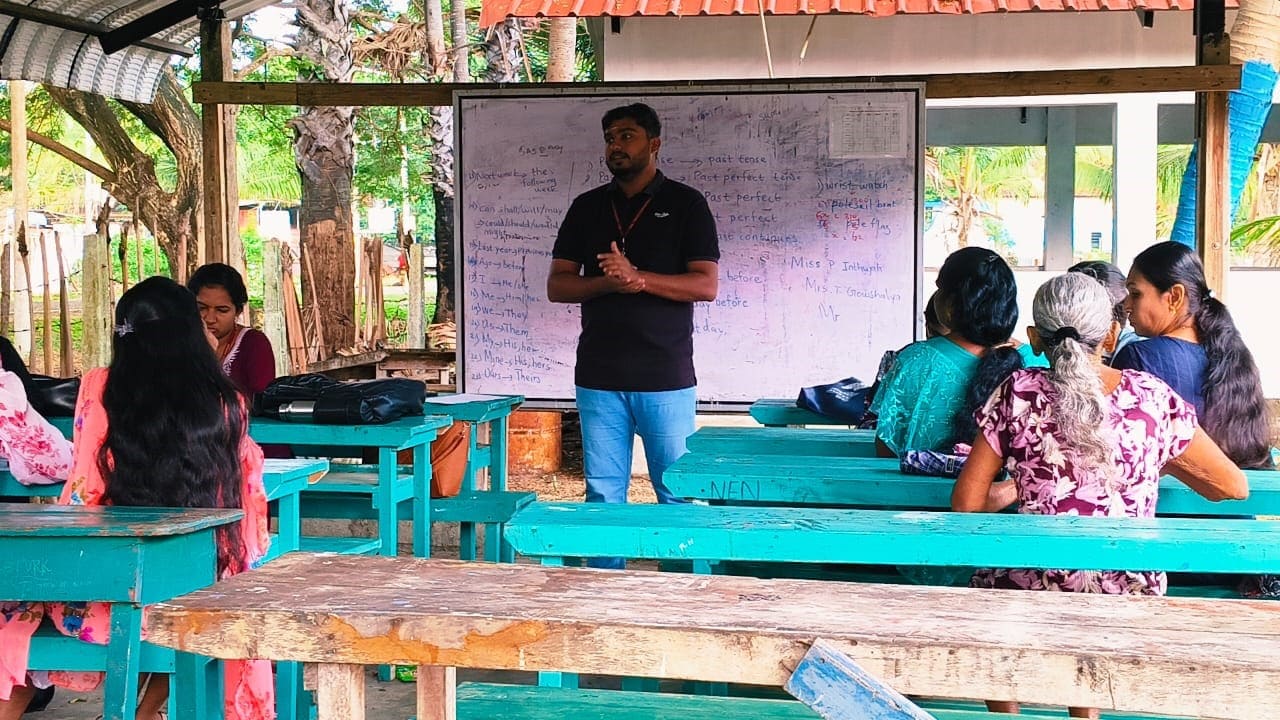
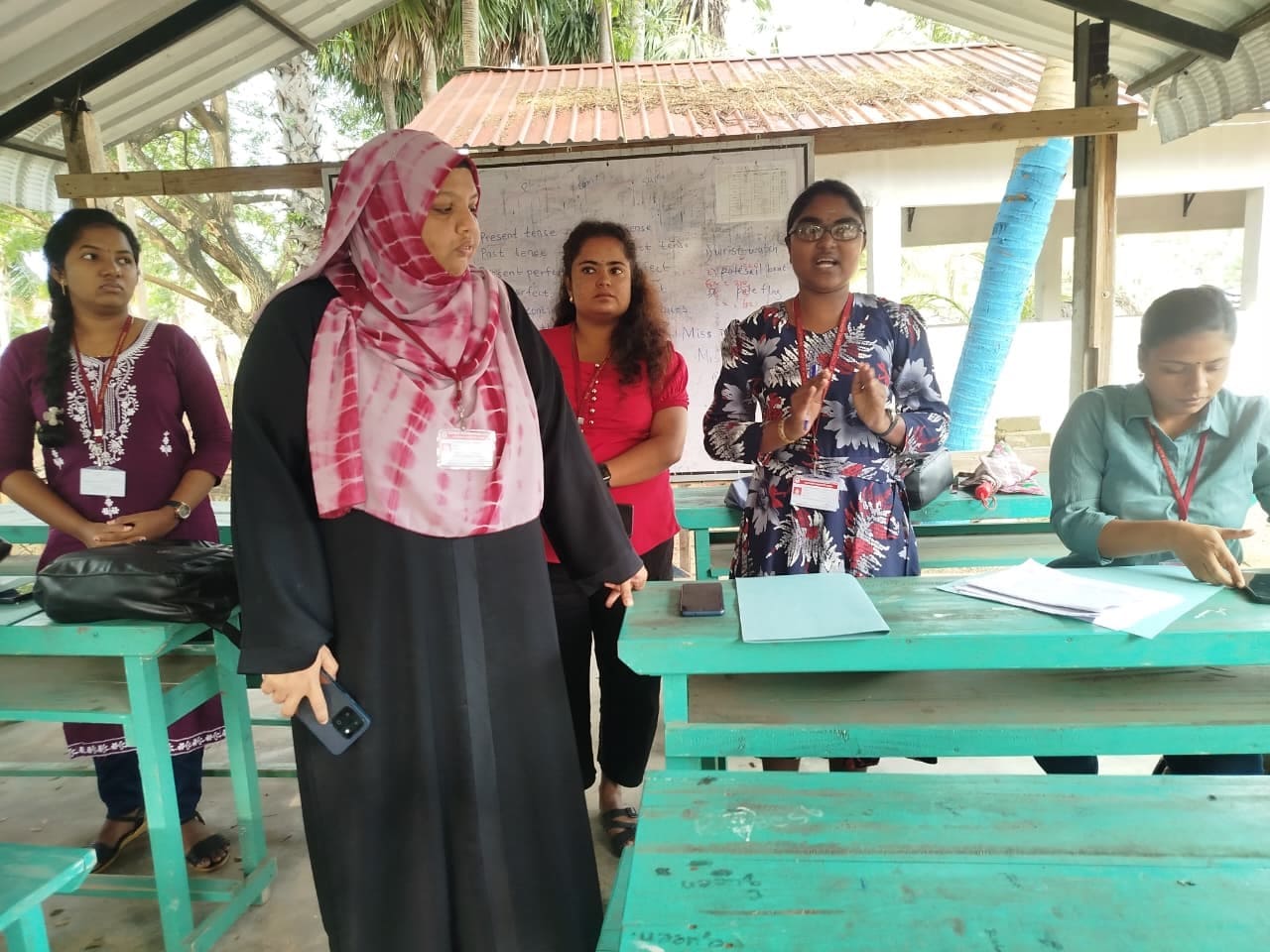
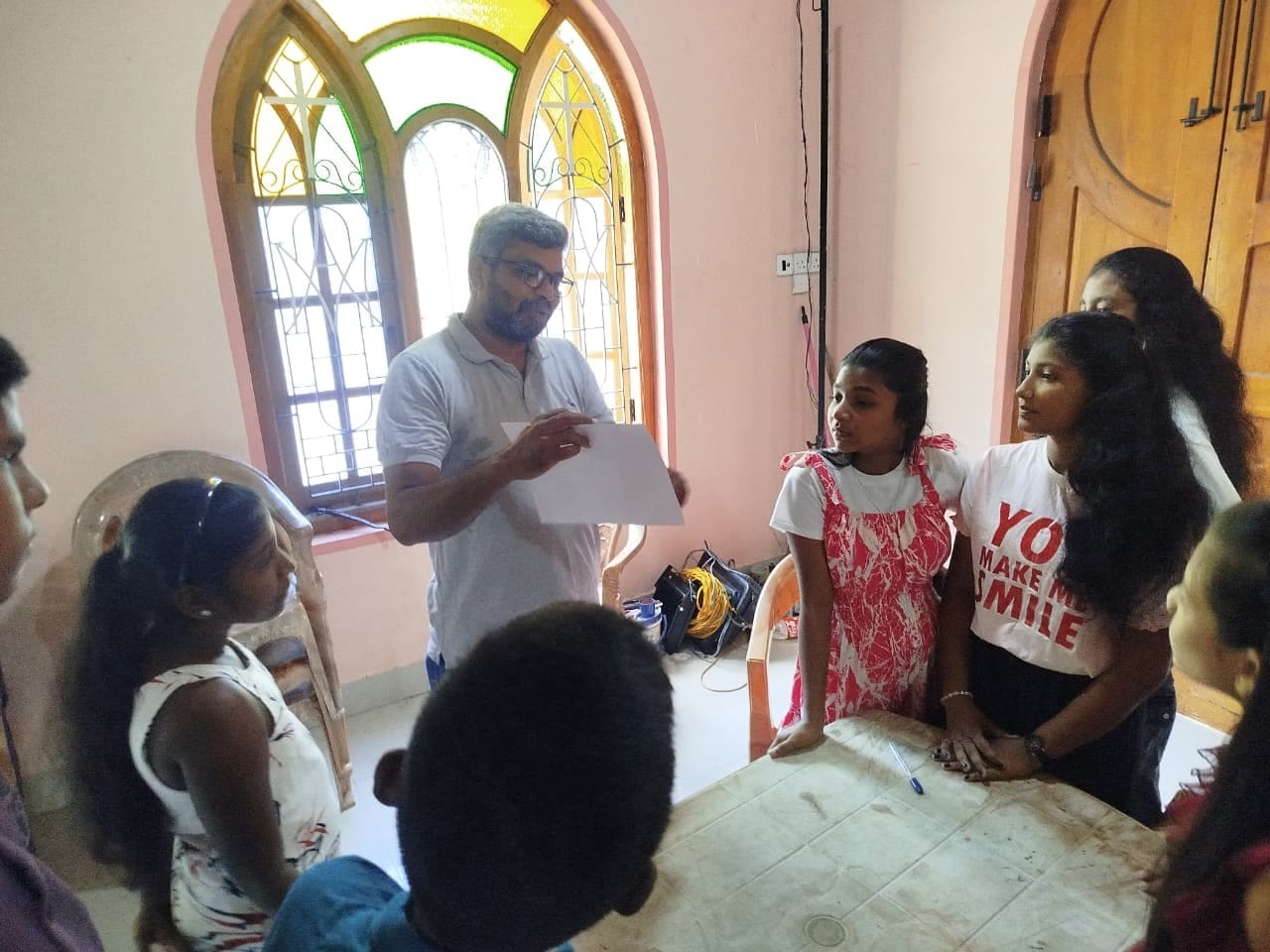
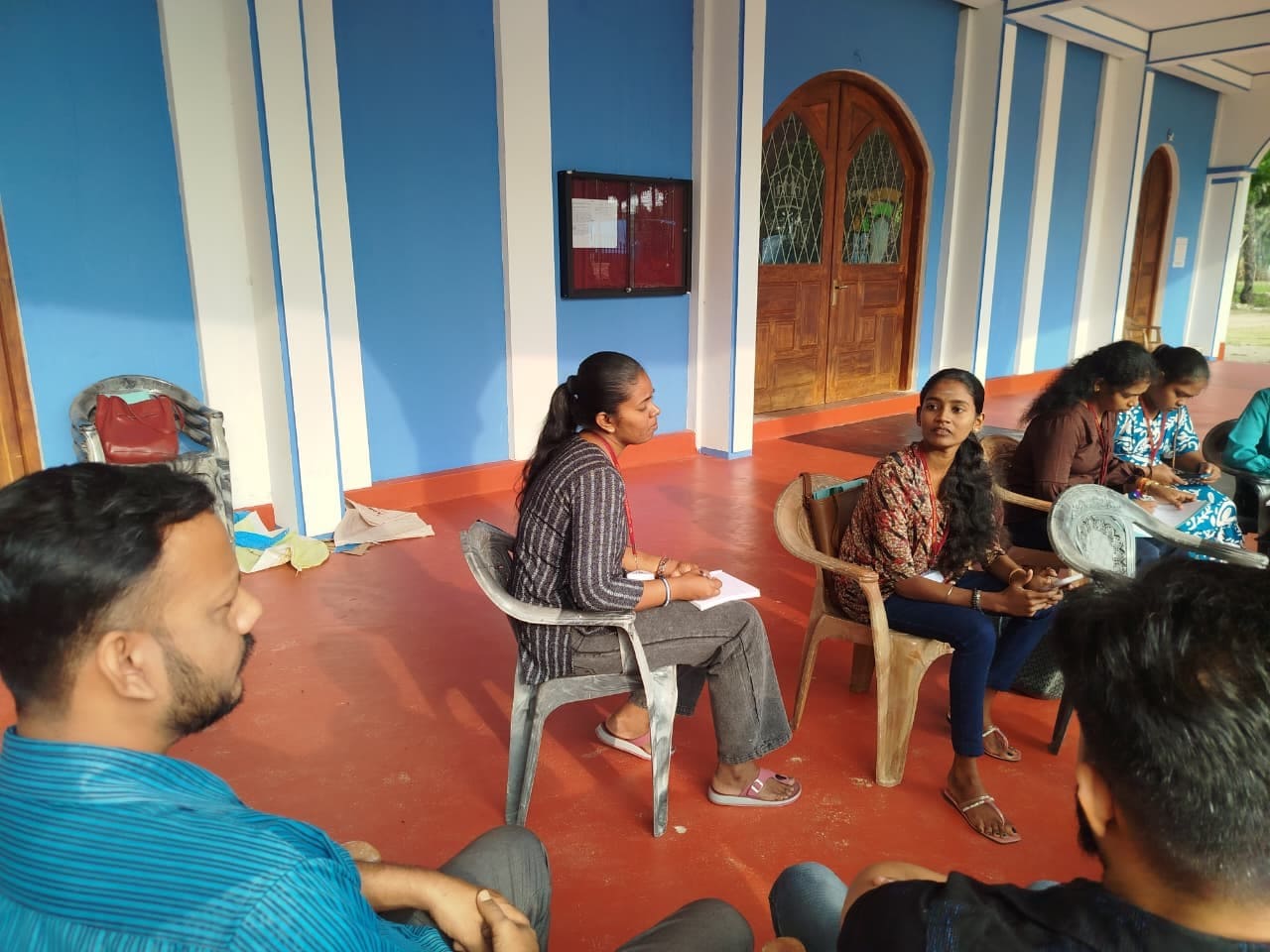
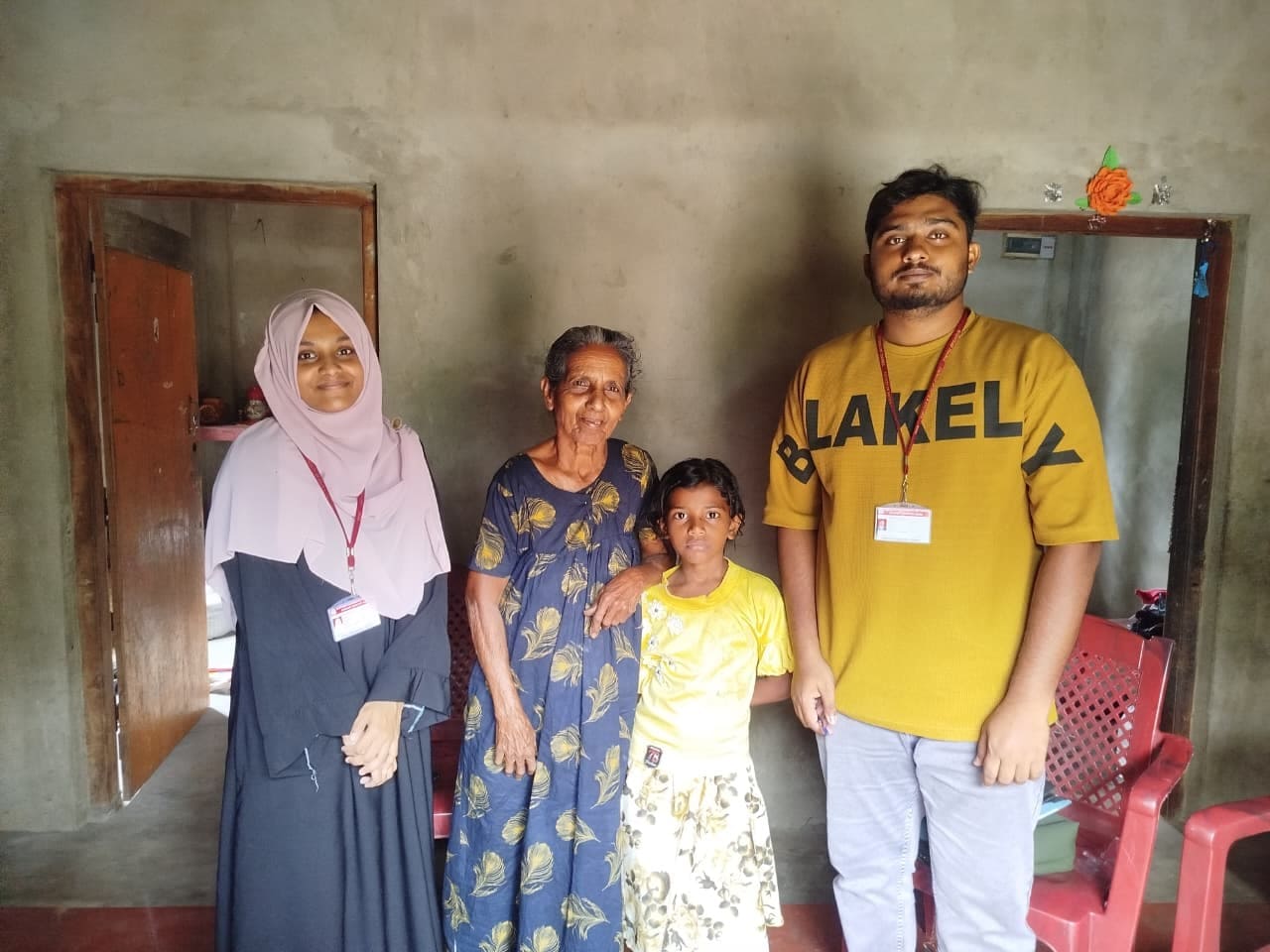
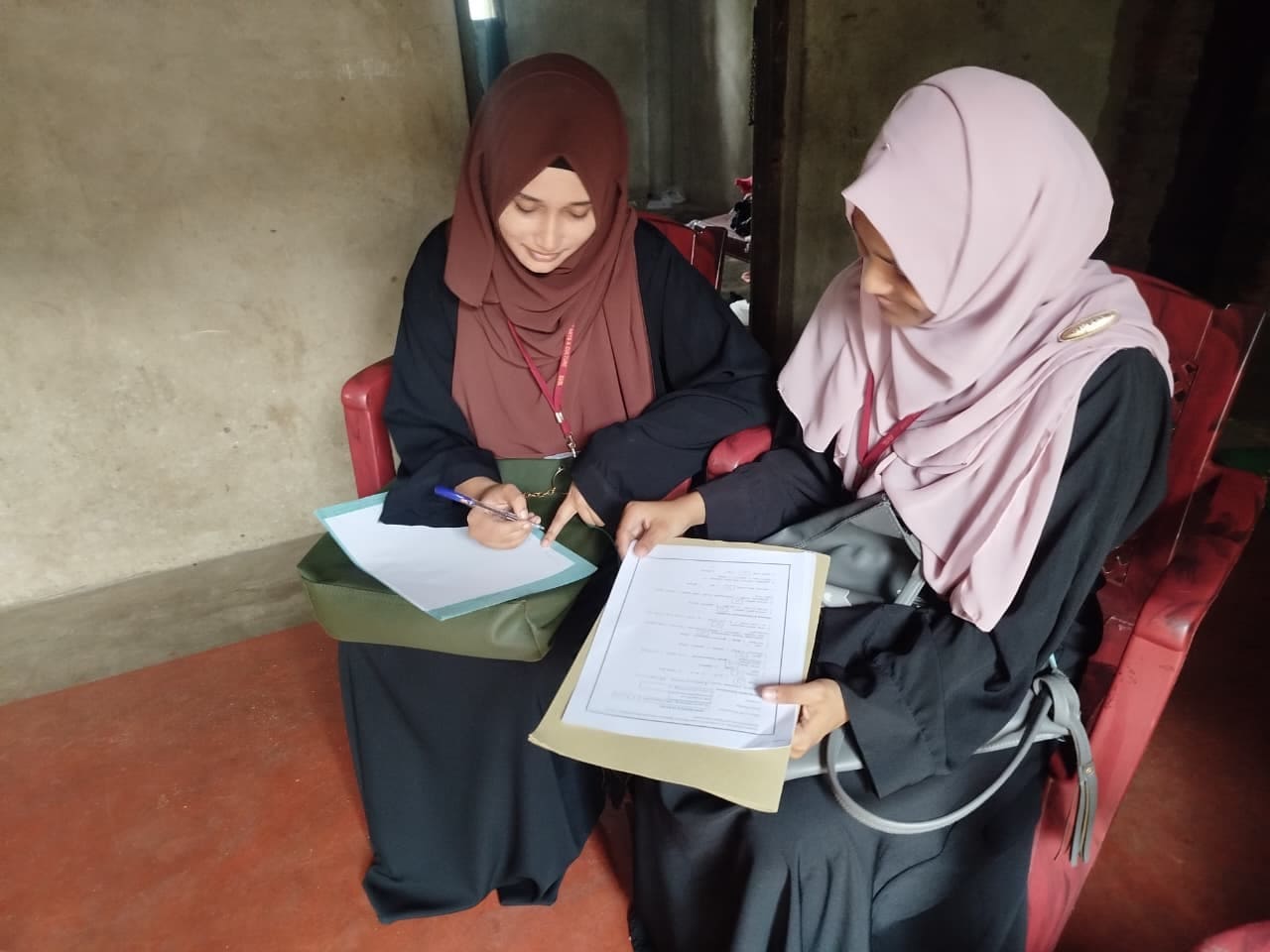
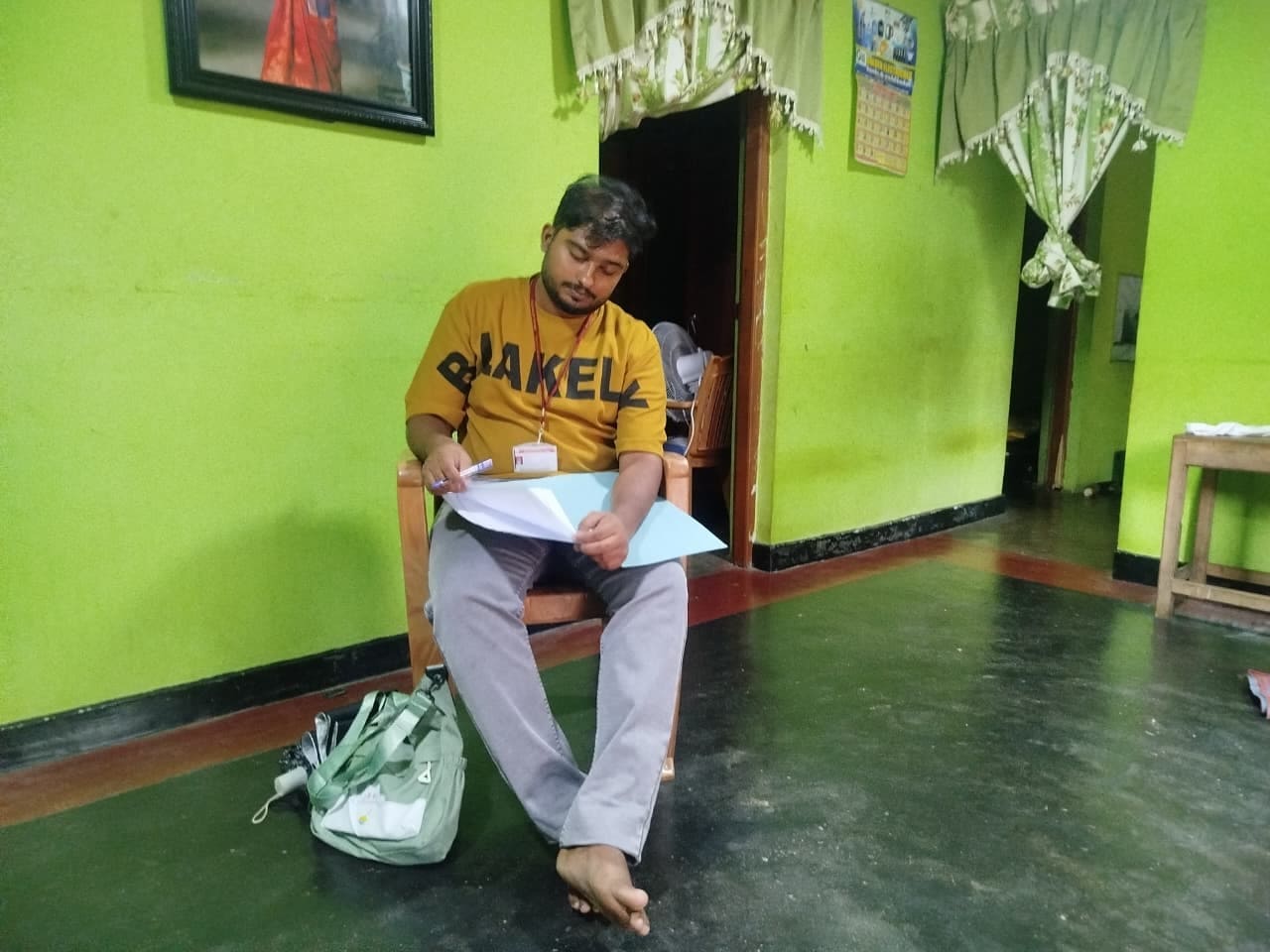
Door-to-Door Household Survey Activities